
Do I Need HOA Approval for Small Exterior Repairs? A Mount Pleasant Guide
Short answer: it depends on the neighborhood, and the rules are written for exterior changes, not for fixing what's already there. A like-for-like repair in the same material and color is a quick approval in some communities, needs no approval in others, and in a historic district still needs a look from the town. Here is what I could confirm for the neighborhoods I work in, and where you'll have to ask.
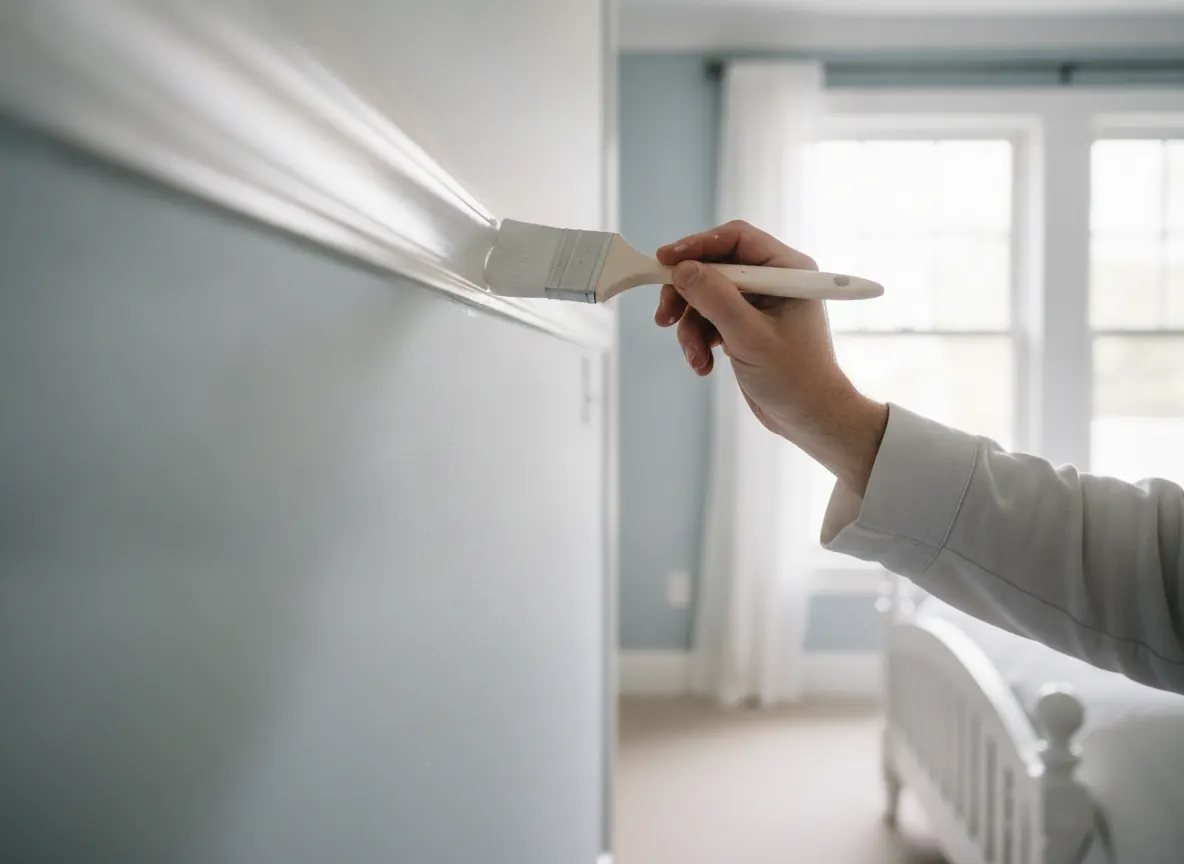
This is general information, not legal advice. Your covenants, your HOA's current guidelines and the town's code control, and they change. I'll match existing materials and colors so the approval, if you need one, is the easy kind.
Two different approvals: the HOA and the permit
A building permit comes from the town or city and is about safety codes. An architectural approval comes from your HOA's review board or design committee and is about appearance and covenants. Getting one does not get you the other. Painting, tiling, cabinets and countertops, fences up to 7 feet, and decks under 200 square feet and under 30 inches off the ground don't need a building permit under South Carolina law (S.C. Code §40-59-265). Your HOA may still want to see the paint color or the fence design. Ask the local building department whether your job needs a permit; I'll tell you honestly if I think it does.
Neighborhood by neighborhoodDaniel Island
Daniel Island is part of the City of Charleston in Berkeley County, and it has the most clearly published rules I found. The Daniel Island Property Owners' Association (130 River Landing Drive) runs an Architectural Review Board, and its own page asks "Repainting?" in the list of things that go through the ARB Modification Application. Exterior color changes use a separate color and materials change request. The 2026 fee list includes Minor Alterations $150–$500, Fences, Walls, or Enclosures $250, and Exterior Color Modifications $100. Three sub-associations have their own design guidelines, so check which covers your street.
On top of that, permits for Daniel Island come from the city's Permit Center at 2 George Street (843-577-5550), which lists fences, decks and even in-kind window, siding and wood-rot repairs among the work it permits. Plan on asking both. More on the Daniel Island page.
I'On
I'On's rules are public and, for repairs, friendly. The I'On Design Committee reviews "any proposed exterior architectural and landscape changes to existing property." But the guidelines list "Work Which Can Typically Be Approved Quickly" by the neighborhood committee, and it is exactly the repair list: maintenance and repairs that match the existing material, color and design; like-for-like window and roof replacement; siding repairs; exterior painting in the same color; fencing repairs. A short list needs no approval at all: house numbers, replacing exterior light fixtures when they're not visible from the public right-of-way, moving mechanical equipment that can't be seen from any right-of-way, temporary wood panels or sandbags before a storm, and temporary play equipment out of public view.
Two I'On details worth knowing before you ask me to do the work: all wood elements must be painted or stained, and screening or Bahama shutters aren't allowed on front porches.
Old Village
Old Village is Mount Pleasant's oldest neighborhood, with homes back to 1755, and it is a town historic district rather than an HOA. From the town code summaries I could read, the Historic District Preservation Commission requires a Certificate of Appropriateness before exterior alteration or addition, site alteration, and hardscaping including walkways and driveways. What I could not confirm is whether an in-kind repair or repainting the same color is exempt. The town's commercial design overlay exempts ordinary maintenance where nothing changes in design, material or color, but that overlay doesn't cover the Old Village district, so I won't assume the same rule applies. Call the town's planning staff before any exterior work in Old Village, even small work. The Old Village and I'On page has more.
Sullivan's Island historic overlay
Also a town rule, not an HOA. Exterior changes in the island's historic districts need a Certificate of Appropriateness; routine maintenance usually doesn't, and minor work can often be approved by town staff rather than the Design Review Board. A certificate is not a building permit, and Sullivan's Island says permits are required for "any repair or improvements" to a home.
Isle of Palms and Wild Dunes
The city's own permit pages repeatedly say a job may need "a Wild Dunes permit if applicable," so if you're inside Wild Dunes, assume the community has its own review on top of the city's and ask the association before any exterior change. I've seen secondhand claims that this covers repainting, but no official source, so ask the Wild Dunes office. See the Isle of Palms page for city construction hours.
Park West, Carolina Park, Dunes West, Snee Farm, Rivertowne and Hamlin Plantation
I'll be straight with you: I couldn't find an official, published architectural-review page for any of these six. They are covenant communities and most have some review, but I won't quote a form, fee or turnaround I haven't seen. Check your HOA's rules before any exterior change. For the Park West, Carolina Park and Dunes West area I can say that these newer homes are hitting the age where builder-grade caulk, hardware and trim need a second round, which is mostly like-for-like repair, the easiest category everywhere I've looked.
What usually counts as a change, versus maintenance. Changes: a new color, a new material (wood to composite, for instance), a taller or different fence, a new light fixture visible from the street, screening a porch, adding a railing where there wasn't one. Maintenance: replacing rotted boards with the same boards, repainting the existing color, re-hanging a gate, fixing a storm door, re-caulking, swapping a porch light with a near-identical one. Most of what I'm asked to do is the second list. When in doubt, ask. A two-line email to the board saves a letter later.
How I make approvals easy
- I match the existing material, profile and color. If you have the paint can or the stain name, keep it handy. If not, I'll take a sample for matching.
- I'll give you a short written description of the work and the materials, which is usually what a review form asks for.
- The application is in the owner's name, so you file it. I don't submit paperwork on your behalf or tell a board what your covenants mean.
- Before a storm, I'll hang plywood or storm panels and take them down after. In I'On that's one of the few exterior jobs that needs no committee approval. Elsewhere, check.
- I keep to local construction hours on the islands.
The exterior jobs I take are small: deck and fence repair, rotted trim, storm doors and hardware, and touch-up painting, caulk and fixture swaps. South Carolina doesn't require a contractor's license for handyman jobs under $500 (S.C. Code §40-59-20). For bigger jobs, or anything involving plumbing, electrical or HVAC over $500, I'll tell you up front that you need a licensed specialty contractor, and I won't take the job. Typical prices are on the pricing page. Once you're clear, send me the list.
Frequently asked questions
Do I need HOA approval to repaint my house the same color in Mount Pleasant?
In I'On, exterior painting that matches the existing color is listed as work that can typically be approved quickly, so you still submit, but it's a formality. On Daniel Island, repainting goes through the ARB Modification Application. In Old Village, the historic commission requires a Certificate of Appropriateness for exterior alteration and I couldn't confirm an exemption for same-color repainting, so ask the town. In other neighborhoods, check your HOA's guidelines.
Does replacing rotted deck boards or fence pickets need architectural approval?
Like-for-like repairs are the easiest category. I'On lists fencing repairs and maintenance that match existing material, color and design as quick approvals. Daniel Island's 2026 fee list has a $250 fee for fences, walls or enclosures, so ask the ARB whether a repair counts. Everywhere else, a two-line email to the board describing the repair is cheap insurance.
Is an HOA approval the same as a building permit?
No. The permit comes from the town or city and covers safety codes; the HOA approval covers appearance and covenants. One doesn't get you the other. South Carolina exempts a short list of work from permits, including fences up to 7 feet and small low decks (S.C. Code §40-59-265), but your HOA may still want to review it.
Will you file the HOA paperwork for me?
No. The application is in the owner's name and the covenants are yours to read, so you file it. I'll give you a plain written description of the work and the materials and colors I'll match, which is usually what the form asks for, and I won't start exterior work until you tell me you're clear.